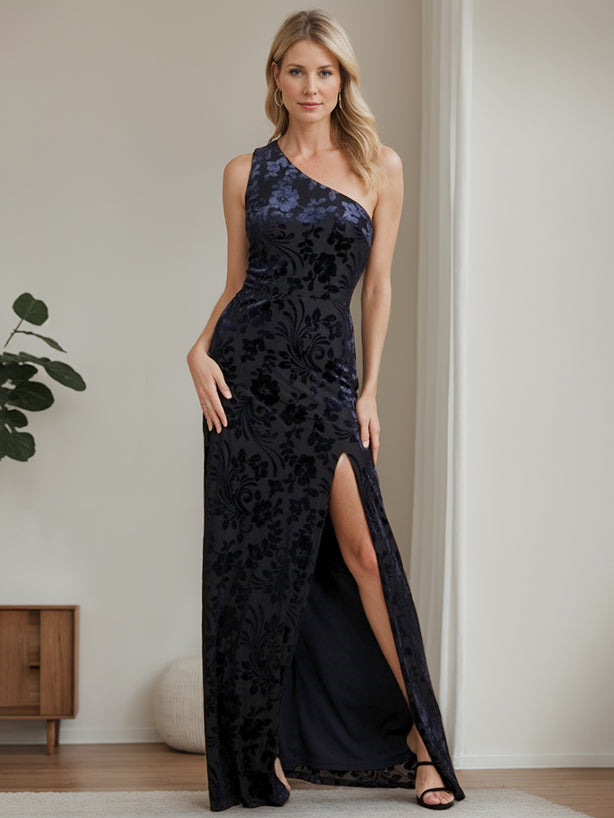
The best plus size bridesmaid dress combines accurate measurements, a secure bodice, room to sit and move, and a style plan flexible enough for different bodies. Begin with the dress-specific chart rather than a usual clothing size. Then evaluate neckline, straps, waist placement, fabric, and alteration options so every attendant can participate in the wedding without spending the day adjusting her dress.
Make the group plan flexible from the start
Many fit problems begin before anyone takes measurements. A wedding party is more likely to feel coordinated and comfortable when the bride defines the visual constants and leaves room for individual fit decisions.
A practical brief might specify:
- one color or a tightly controlled palette
- one fabric family or finish
- one hem length or formality level
- a range of approved necklines and sleeve options
- the same retailer or collection when color consistency matters
This approach creates cohesion without requiring one bodice to work for every bust, shoulder, torso, and support preference. The bridesmaid party coordination guide explains how to repeat color and fabric while allowing silhouettes to vary. The bridesmaid color coordination guide is useful when the party will mix shades.
Decide what must match
Write the nonnegotiable details down. “Long burgundy chiffon” is clearer than “autumn romantic.” A precise brief prevents attendants from solving different versions of the same request.
Decide what may vary
Neckline, sleeve, strap width, and waist treatment are often the best places to allow choice. Those areas directly affect support and proportion, while color and length can keep the group visually connected.
Measure each person independently
Do not convert a street size into a bridesmaid size by habit. Use the chart for the exact product and take current measurements over the planned undergarments.
Record:
- full bust
- natural waist
- fullest hip
- hollow to floor for long dresses
- height and planned heel height
- shoulder-to-waist length when the bodice is fitted
Keep the tape level and comfortably close to the body. If measurements land in different size columns, choose based on the most fitted and least alterable area. A full A-line skirt makes the hip less controlling than it would be in a sheath, while a structured bodice may make the bust or waist the deciding measurement.
Avoid sizing down as a motivation strategy
Ordering for a hoped-for future measurement adds stress and can leave too little seam allowance to fix the dress. Order from current measurements, then use alterations to refine the fit closer to the wedding.
Separate ordering size from identity
The number is simply a production reference tied to a chart. It is not a judgment, and it may differ from the number on everyday clothing. A neutral measurement process helps the entire group focus on fit rather than labels.
Prioritize bodice security
A bridesmaid dress has to survive photographs, ceremony seating, dinner, and dancing. The neckline should stay where it belongs without constant pulling or pinning.
Straps and sleeves can distribute support
Wider straps, short sleeves, one-shoulder designs, and carefully placed off-the-shoulder bands create different support systems. An asymmetric neckline can look dramatic, but check that it does not twist after arm movement. Off-the-shoulder styles need enough structure to remain stable without restricting the upper arms.
Open necklines can create balance
A V-neck or gently open neckline can create space around the face and collarbone. A very high neckline may visually concentrate volume through the upper body, though the full silhouette and fabric matter more than a single rule. For fuller-bust specifics, see the bridesmaid dresses for big busts guide.
Waist placement changes the whole proportion
The seam should meet the body where the design intends. If a bodice is too short or long, the waist can ride up, fold, or pull even when the circumference seems correct. Check the side view and sit down before approving the fit.
Compare fabric by movement and season
Fabric should support the venue, climate, and group plan.
Chiffon for soft drape
Chiffon usually creates a light outer layer and gentle movement. It can work well for warm venues and mixed-style parties because the flowing skirt keeps different bodices visually connected. Lining and construction still determine the final feel.
Satin for a cleaner, more reflective surface
Satin can look sleek and formal, but it reflects light and shows seam tension clearly. Check fit in daylight and with a phone flash. Give attendants enough time for pressing and careful transport.
Velvet for cool-weather depth
Velvet brings visual richness and warmth to fall or winter weddings. It can also feel heavier, so test sitting, walking, and temperature comfort. If the group is comparing materials, the chiffon versus satin guide offers a direct decision framework.
Build an alteration-friendly timeline
Plus size availability is only one part of a successful order. The group also needs time to receive dresses, inspect them, and tailor individual fit.
- Finalize the color, fabric, length, and approved styles.
- Have every attendant take current measurements.
- Review each product's chart and production information.
- Order early enough for the longest stated lead time in the group.
- Inspect color, construction, and fit soon after delivery.
- Schedule the first alteration appointment with the planned shoes and undergarments.
- Complete the final fitting close enough to the wedding for accuracy.
The bridesmaid dress shopping timeline can help assign dates to these steps. Do not assume that everyone will require the same adjustment or appointment schedule.
Use a real movement test
At the fitting, each bridesmaid should sit, walk, raise her arms, and turn. Check whether the neckline shifts, the waist rolls, the skirt catches between the legs, or the zipper strains. Take front, side, and back photographs in a relaxed posture.
Ask the tailor about hem length, strap placement, bust shaping, and waist refinement. Avoid treating a smaller alteration as automatically better; the objective is a secure, clean fit.
Verified Lovavere styles to compare
- Off-the-Shoulder Chiffon Plus Size Bridesmaid Dress provides an asymmetric chiffon direction with an off-the-shoulder neckline. The live product page lists standard sizes through 22; confirm the current chart before choosing.
- One-Shoulder Velvet A-Line Bridesmaid Dress offers a one-shoulder, floor-length velvet comparison. Its live page lists standard sizes through 22; review measurements, color choices, and current details when ordering.
These options illustrate two different neckline and fabric systems. Compare them by support, season, group palette, and alteration needs rather than assuming one cut will suit everyone.
Shop bridesmaid dresses with fit in mind
Browse bridesmaid dresses and shortlist styles that meet the shared color and length brief. Let each attendant compare the product-specific chart and choose the neckline and structure that feel secure on her body.
Frequently asked questions
Should every bridesmaid order the same size range or silhouette?
No. The party can match color, fabric, and length while using different silhouettes. Each person should order from her own measurements and the chart for her exact dress.
Are loose dresses always more comfortable for plus-size bridesmaids?
Not necessarily. A secure, correctly placed bodice with a defined waist may feel more comfortable than an oversized dress that shifts. Comfort comes from fit, movement, and construction rather than looseness alone.
How do you handle a bridesmaid between sizes?
Choose based on the most fitted area and the silhouette's alteration limits. A tailor can explain whether the bust, waist, straps, or skirt can be adjusted without disturbing the design.
Can plus-size and straight-size bridesmaids wear different necklines?
Yes. Different necklines can improve individual support while the repeated color, fabric, and hem length keep the party coordinated.