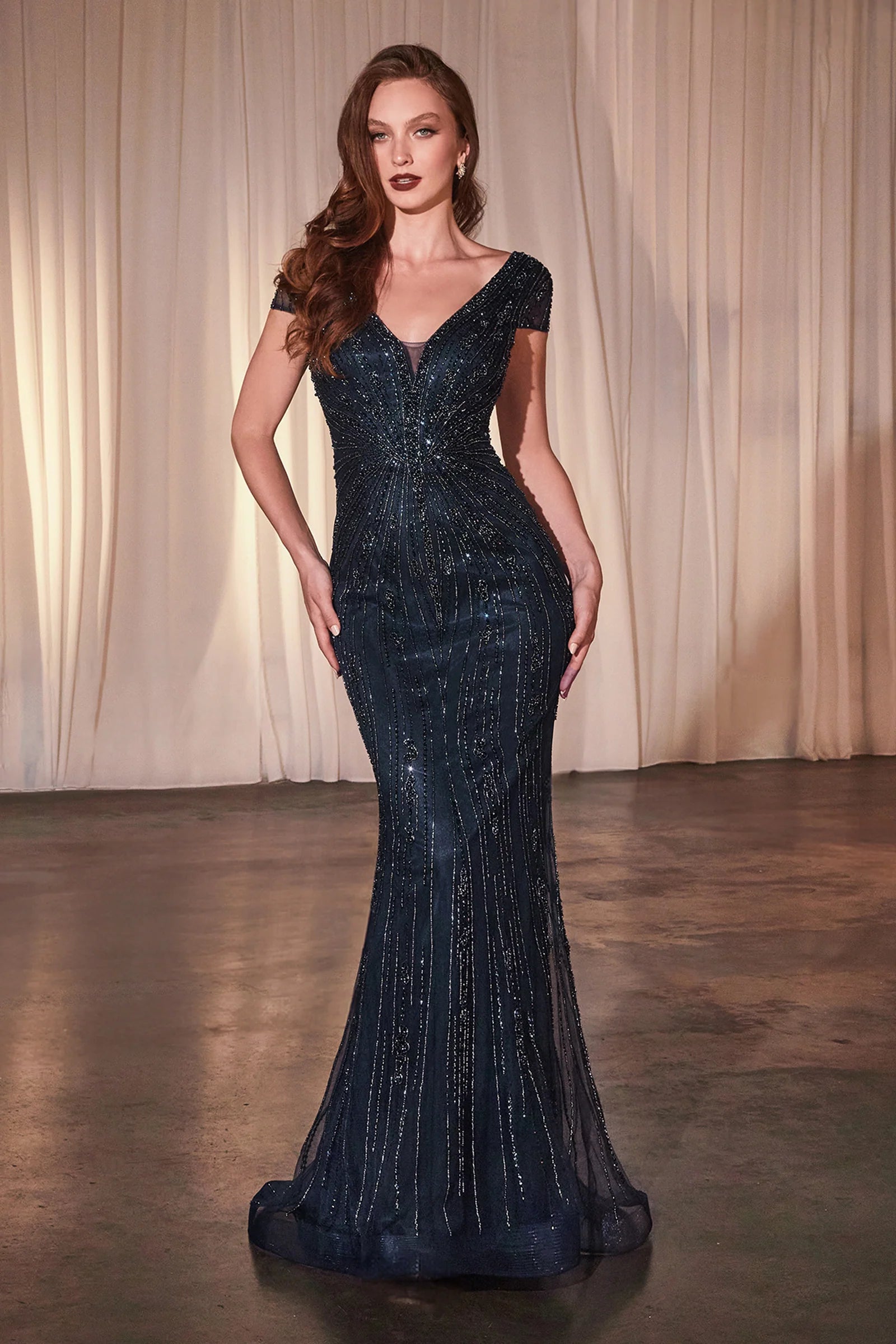
The right plus size mother of the bride dress begins with accurate measurements and the wedding's formality, not a rule about hiding your shape. Look for a bodice that remains secure while sitting and moving, a waistline that meets your proportions, and a skirt you can wear through the ceremony and reception. Coordinate with the couple's palette, then choose the coverage and detail you genuinely enjoy.
Clarify your role and the event dress code
The mother of the bride is visually important, but she does not need to match the bridesmaids or disappear into a neutral color. Her dress should connect to the wedding while still feeling distinct.
Ask the couple for:
- the invitation dress code
- ceremony and reception venues
- wedding colors and bridesmaid shade
- any colors they prefer immediate family to avoid
- the expected formality of the other parents' outfits
- the schedule, season, and likely temperature
The mother of the bride dress guide provides a broad starting framework. For color etiquette, the mother of the bride color guide explains how to coordinate without matching exactly.
Match the event, not the bridal party uniform
If the bridesmaids wear one shade, choose a related tone, deeper version, metallic neutral, or complementary color. The connection can also come through formality or fabric sheen rather than identical color.
Let the venue set the length
Floor-length gowns are a natural fit for black-tie and many formal evening weddings. Tea-length and polished shorter dresses can work for daytime, garden, and semi-formal events. Use the invitation and venue before using personal assumptions.
Use a product-specific measurement process
Take current bust, waist, hip, hollow-to-floor, and height measurements over the undergarments you plan to wear. Compare those numbers with the chart for the exact gown.
When measurements span sizes, identify where the garment is most fitted. A full skirt makes hip measurement less decisive than it would be in a sheath. A fitted, embellished bodice may be harder to alter through the bust or waist, so choose the size that preserves enough room there and ask a tailor what can be refined.
Check torso length and waist placement
The waist seam should sit at the intended point on your body. A bodice that is too short can ride up; one that is too long can fold or make the skirt start too low. Review the side view and sit during the fitting.
Treat the size number as technical information
Formalwear numbers can differ from everyday clothing. The number is simply a reference to the chart. Fit decisions become easier when everyone uses measurements and alteration potential instead of comparing labels.
Choose structure for comfort and polish
Structure should help the dress stay in place, not make it rigid.
A-line gowns for movement
An A-line skirt can provide room through the hip and leg while keeping a defined upper body. It is useful when the schedule includes walking, stairs, and dancing.
Column and mermaid shapes for a closer line
Closer silhouettes can feel sleek and formal. Check the hip, thigh, stride, and sitting ease carefully. Fabric stretch and seam placement matter more than a generic statement that one shape is flattering.
Capes and overlays for deliberate coverage
A cape detail can create shoulder and upper-arm coverage while preserving movement underneath. Make sure it lies smoothly from the side and does not interfere with carrying a bag, greeting guests, or sitting at dinner.
Select a neckline and sleeve plan
Coverage is a preference, not an obligation.
V-necks and open shapes
A V-neck can create a vertical line and make room for a necklace. Check depth, bra compatibility, and how the neckline behaves when seated.
Sleeves for warmth or style
Long, three-quarter, and short sleeves can add texture and seasonal practicality. Raise your arms and reach forward to test the back and upper-arm fit. The mother of the bride dresses with sleeves guide covers this choice in detail.
Embellished bodices need careful fit
Beading catches light and creates occasion-level detail, but alteration options may be more limited around decorated seams. Ask what can be changed before selecting a size that assumes substantial tailoring.
Plan color in real lighting
Navy, silver, jewel tones, muted rose, champagne-adjacent metallics, and many other shades can work. The best color complements the wedding palette and remains distinct from the bride's dress.
View fabric in daylight and indoor light when possible. Beading and satin can photograph differently under flash. Bring a swatch or clear photograph of the wedding colors rather than relying on color names alone.
Perform a full-event fitting test
Wear the planned undergarments and shoes, then:
- Sit for several minutes and check the waist and neckline.
- Walk at a normal pace and take stairs if relevant.
- Raise your arms and simulate a hug.
- Check the back and side views in a relaxed posture.
- Confirm the hem with the final shoe height.
- Test any jacket, wrap, or cape with the dress.
- Ask which alterations are possible around beading and seams.
The aim is a dress that looks composed without requiring constant correction.
Build enough time for alterations
Order after the couple has confirmed the wedding palette and dress code, but early enough for delivery and tailoring. Schedule a first fitting soon after the dress arrives. Bring the final shoes and undergarments to every relevant appointment.
Avoid ordering for hoped-for weight change. Current measurements plus a clear alteration plan are safer than relying on a smaller size or a last-minute adjustment.
Verified Lovavere styles to compare
- Tasia Navy Blue Beaded Mother-of-the-Bride Gown offers a floor-length, beaded navy direction for formal weddings. Its live page lists standard sizes through 22; confirm the current chart and selections before ordering.
- Cape-Detail Silver Mother-of-the-Bride Gown LV18369651 provides a silver gown with cape coverage to compare. Its live page lists standard sizes through 22; review measurements and current details on the product page.
Use these as references for two different coverage and detail systems. The right choice depends on your measurements, the wedding palette, and how each construction feels in motion.
Shop mother-of-the-bride gowns by fit
Browse mother of the bride dresses and compare each option against the event brief and your current measurements. Prioritize a secure bodice, workable length, and color that connects to the wedding without copying the bridesmaids.
Frequently asked questions
What silhouette is best for a plus size mother of the bride?
There is no single best silhouette. A-line, column, and closer fitted gowns can work when the waist, bust, hip, and movement fit the wearer and the event.
Does the mother of the bride need to cover her arms?
No. Sleeves, capes, and wraps are options for warmth or personal style. Choose coverage because it feels right, not because of size or age rules.
Should the mother of the bride match the bridesmaids?
Usually not exactly. Coordinate through a related color, formality level, or finish while keeping her outfit distinct.
What if my measurements fall into different sizes?
Choose based on the gown's most fitted and least alterable area, then consult a tailor about refining the other areas. Do not assume every seam has the same allowance or flexibility.